
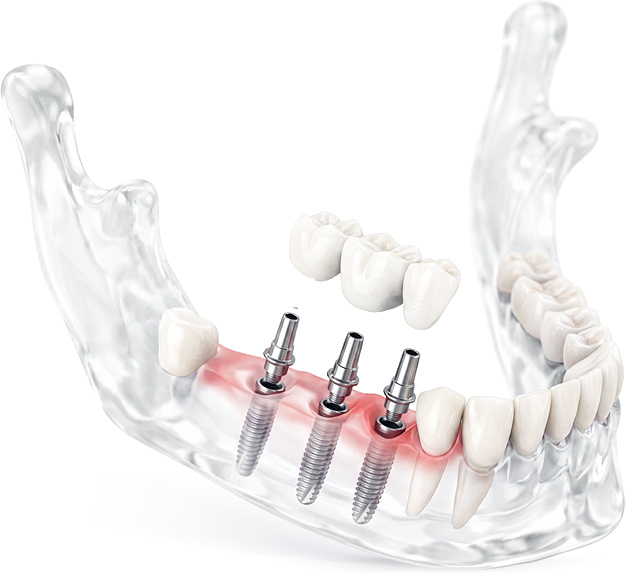
Dental implants and restorative dentistry play a vital role in modern dental care. Dental implants provide a long-term solution for replacing missing teeth, helping restore function, aesthetics, and confidence. Combined with advanced restorative treatments such as crowns, bridges, veneers, and implant-supported prosthetics, patients can achieve a healthy, natural-looking smile that feels comfortable and functions properly.
At Dr. Abdelrahman Alshebl Dental Clinic in Dubai, treatment plans are tailored to each patient using modern digital technologies, precise diagnostics, and evidence-based techniques. The goal is not only to replace missing teeth, but also to preserve oral health, maintain jawbone structure, and deliver long-lasting, natural results.
“Many people think that losing one tooth is not a serious problem, especially if the missing tooth is not visible when smiling.”
Why Missing Teeth Should Not Be Ignored
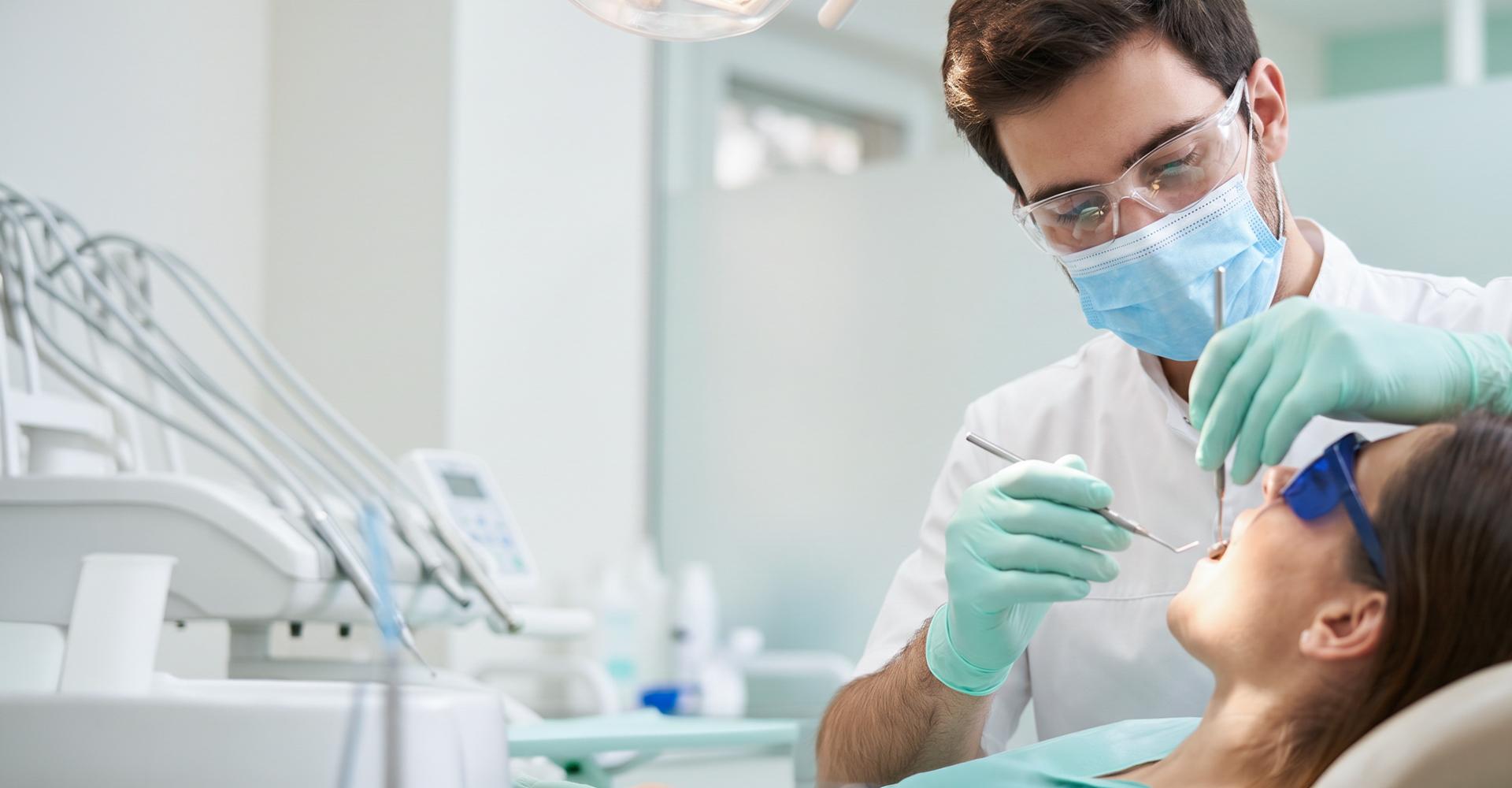
When a tooth is lost, nearby teeth may slowly shift into the empty space. This can change the bite, create gaps, make cleaning more difficult, and increase the risk of tooth decay or gum problems. The jawbone in the area of the missing tooth may also begin to lose volume because it no longer receives normal chewing pressure.
Replacing missing teeth helps maintain proper bite balance, supports facial structure, and prevents future dental complications. It also improves chewing comfort, speech, and confidence in everyday life.
Early treatment is important because the longer a missing tooth remains untreated, the greater the risk of bone loss, tooth movement, and bite problems. Modern solutions such as dental implants, bridges, and implant-supported restorations can effectively restore both function and appearance while helping preserve long-term oral health.
TheThe main purpose of a dental crown is to protect the remaining tooth structure while restoring its shape, strength, function, and appearance. Crowns are commonly recommended for teeth that have been weakened by large fillings, fractures, severe wear, or root canal treatment.
Modern crowns can be fabricated from high-quality materials such as ceramic and zirconia, which offer excellent durability and a natural appearance. When properly designed and fitted, a crown should blend seamlessly with the surrounding teeth, provide comfortable function, and allow normal chewing and speaking.
A dental bridge is a fixed restoration used to replace one or more missing teeth. It consists of artificial teeth supported by adjacent natural teeth or dental implants. Unlike removable dentures, bridges remain securely in place and provide a stable, long-term solution for restoring missing teeth.
Dental bridges help restore chewing efficiency, improve smile aesthetics, maintain proper bite alignment, and prevent neighboring teeth from shifting into empty spaces. Depending on the patient’s oral health and treatment goals, bridges may be supported by natural teeth or dental implants for enhanced stability and longevity.
Fixed vs. Removable Prosthetics
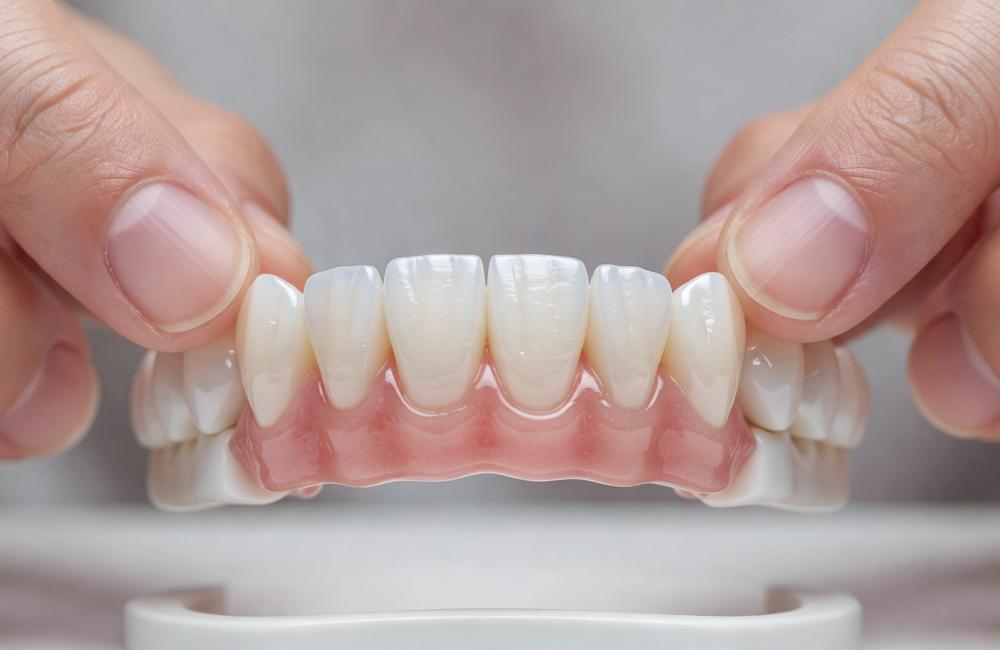
Dental prosthetics can be either fixed or removable, depending on the patient’s needs, oral condition, and treatment goals. Fixed prosthetics include crowns, bridges, and implant-supported restorations that remain securely attached in the mouth and function similarly to natural teeth.
Removable prosthetics, such as partial or complete dentures, can be taken out for cleaning and maintenance. They are often a practical solution for patients who have lost multiple teeth or require a more affordable treatment option.
At Dr. Abdelrahman Alshebl Dental Clinic in Dubai, dental implants are frequently used to support fixed restorations. Because implants are anchored directly into the jawbone, they provide excellent stability, help preserve bone volume, and restore chewing efficiency. Implant-supported prosthetics are often considered one of the most reliable and natural-looking options for replacing missing teeth.
Dr. Abdelrahman Alshebl carefully evaluates each patient’s oral health, bone quality, and treatment goals to recommend the most appropriate solution. Whether fixed or removable prosthetics are chosen, the objective is always to restore function, comfort, aesthetics, and long-term oral health.
The best choice between fixed and removable prosthetics depends on several factors, including bone quality, oral health, lifestyle, budget, and the patient’s long-term expectations. A comprehensive dental evaluation helps determine the most suitable treatment plan.
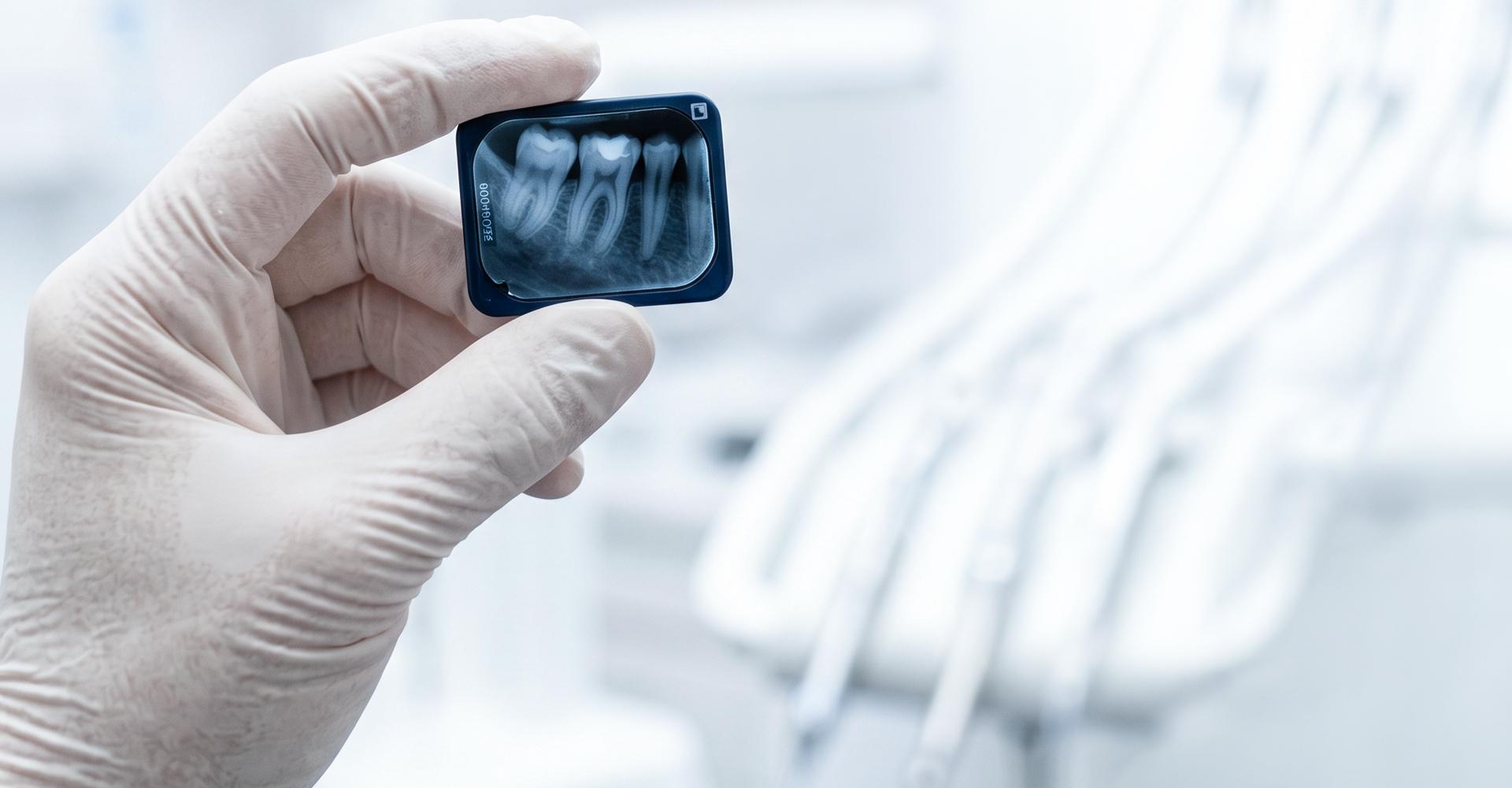
Partial dentures are used when some natural teeth remain, while complete dentures are designed for patients who have lost all teeth in one or both jaws. Modern dentures are significantly more comfortable, functional, and natural-looking than older designs. They are custom-made to improve chewing ability, support facial structure, and restore confidence when speaking and smiling.
For enhanced stability and comfort, dentures can also be supported by dental implants. Implant-supported dentures help reduce movement during eating and speaking, provide a more secure fit, and improve overall function. This option is particularly beneficial for patients who experience discomfort or instability with traditional removable dentures.
At Dr. Abdelrahman Alshebl Dental Clinic in Dubai, every prosthetic treatment is carefully planned to achieve optimal comfort, aesthetics, and long-term oral health. The most suitable solution depends on the patient’s oral condition, bone quality, and individual treatment goals.
What Is Orthodontics?
One of the most common questions patients ask is whether they should choose fixed or removable prosthetics. Fixed prosthetics, such as crowns, bridges, and implant-supported restorations, stay in the mouth permanently and are cared for similarly to natural teeth. They usually feel more stable and comfortable.
Orthodontics is a specialized branch of dentistry that focuses on diagnosing, preventing, and correcting misaligned teeth and jaw irregularities. Orthodontic treatment helps improve the appearance of the smile while also enhancing bite function, oral hygiene, and overall dental health.
Common orthodontic problems include crowded teeth, gaps between teeth, overbites, underbites, crossbites, and crooked teeth. These issues can affect chewing, speech, and long-term oral health if left untreated.
Modern orthodontic treatment options include traditional metal braces, ceramic braces, and clear aligners. The most suitable option depends on the patient’s age, dental condition, treatment goals, and lifestyle preferences.
At Dr. Abdelrahman Alshebl Dental Clinic in Dubai, patients receive comprehensive evaluations to determine the most effective treatment plan for achieving a healthier, well-aligned smile.